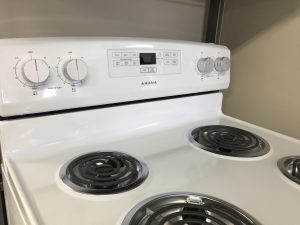
For many older adults, cooking is about much more than preparing food.
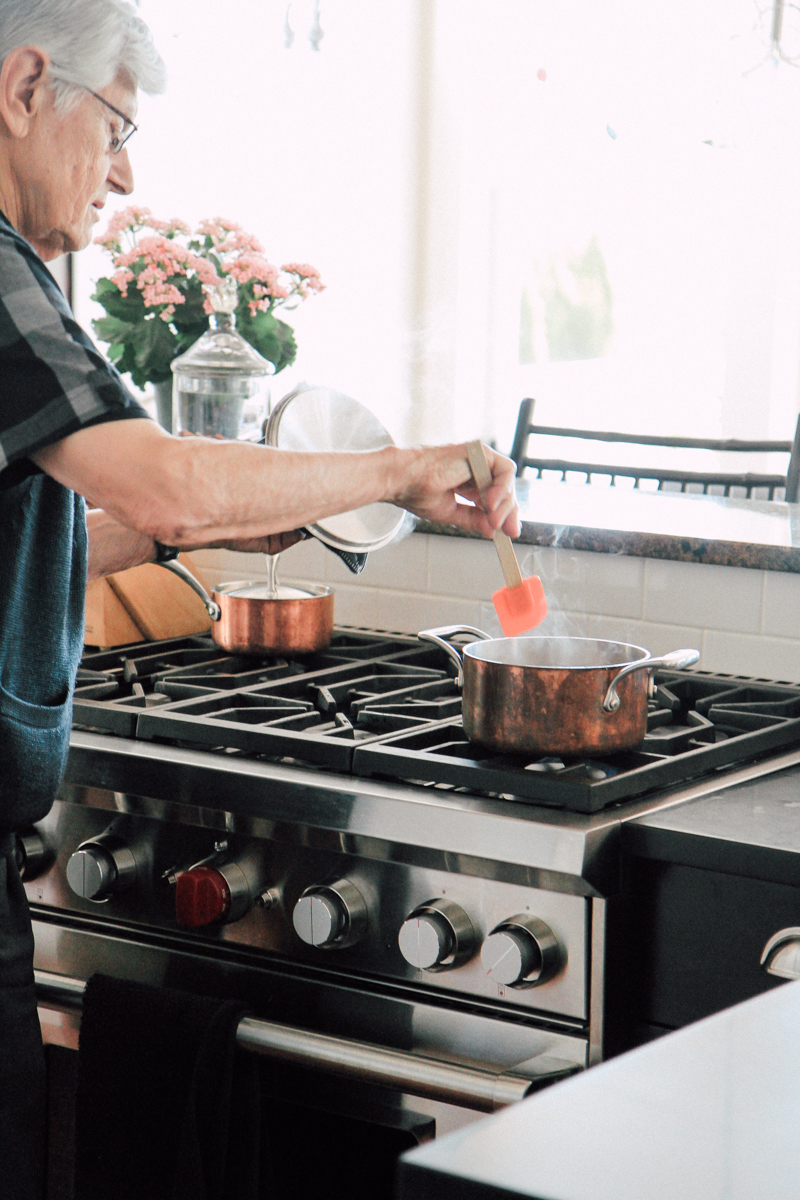
Cooking is a skill that many people have developed and enjoyed over an entire lifetime. Making a favourite soup, frying an egg for breakfast, or putting the kettle on draws on years of knowledge and experience. The kitchen may be where family recipes are remembered, skills are shared, and independence is expressed in an ordinary but meaningful way.
Preparing a familiar meal is not simply another household task. It can be a source of confidence, creativity, routine, contribution, and connection. For an older adult, cooking may remain one of the activities that most clearly says: this is something I know how to do.
That is why concerns about stove safety can be difficult for families to navigate.
An adult daughter may notice that her father occasionally leaves the kitchen while something is cooking. A home-care worker may wonder whether a client remembered to turn off a burner. The older adult, meanwhile, may feel capable and strongly resist changes that seem to take control away.
The question should not simply be, “Should this person still cook?” A more respectful question is: “What support could help this person continue cooking with greater awareness and confidence?”
Start With the Person, Not the Risk
Safety concerns deserve attention, but they should not define the person.
A conversation that begins with restrictions can make an older adult feel that decisions are being made for them. A better approach is to ask about their routines, preferences, and concerns.
What meals do they enjoy preparing? When do they usually cook? Have they noticed occasions when they became distracted? Would they welcome a reminder if the stove remained on while the kitchen was unattended?
These questions create space for collaboration. They also help families distinguish between a general worry and a specific situation that could benefit from additional support.
When possible, the older adult should be involved in choosing that support. Technology is most useful when it fits naturally into someone’s life and preserves dignity rather than creating a sense of surveillance.
Practical Steps for Safer Cooking
Technology should complement basic cooking-safety habits, not replace them.
Health Canada advises people not to leave cooking appliances unattended. Other practical steps include keeping items that can burn away from the stovetop, turning pot handles inward, and turning the stove off after every use. Working smoke alarms and an appropriate household fire-safety plan are also important.
Families and care providers can support these habits without taking over the kitchen. Depending on the person and setting, helpful approaches may include:
- Keeping commonly used cookware and ingredients within comfortable reach
- Reducing clutter around the stove
- Using a timer as part of the cooking routine
- Preparing ingredients before turning on a burner
- Avoiding cooking when the person is unusually tired or distracted
- Agreeing on what should happen if a stove-use reminder is received
- Reviewing the arrangement as routines or support needs change
The goal is not to create a long list of rules. It is to identify a few realistic supports that the person can use consistently.
When a Reminder Can Make a Difference
Even people with well-established routines can become distracted. A phone call, a visitor at the door, or an activity in another room can pull attention away from the kitchen.
In these situations, a timely alert can provide an additional layer of awareness.
Smarturns is Tochtech’s stove-safety solution for compatible gas and electric stoves. It is designed to support safer independent cooking and caregiver awareness. Depending on its configuration, Smarturns can provide a local stove-use alert and send mobile notifications to a caregiver.
The local alert can remind the person using the stove that attention may be needed. Where caregiver notifications are configured, a family member or care provider can receive additional information and follow the response plan that has been agreed upon.
Alert timing and volume can also be adjusted through the mobile application. This can help make the setup more appropriate for the person’s routine and care context.
Smarturns does not automatically turn off the stove, and it cannot be used to turn the stove off remotely. It supports awareness; it does not replace attentive cooking, working smoke alarms, a fire-safety plan, or human response.
Preserving Independence Through Thoughtful Support
Families sometimes wait until a concerning incident occurs before discussing cooking safety. Others react to uncertainty by suggesting that an older adult stop using the stove altogether.
There may be circumstances in which cooking methods need to change, particularly when advised by a qualified care professional. But restrictions should not be the automatic first response.
A layered approach may be more appropriate. That could include adapting the kitchen, reinforcing practical habits, arranging occasional assistance, and adding stove-safety alerts where they fit the person’s needs.
This approach recognizes that independence is not necessarily about doing everything without help. It can also mean having the right support to continue making choices and participating in valued activities.
For someone who has cooked for decades, continuing to prepare a familiar meal can reinforce confidence, routine, identity, and connection. It provides an opportunity to use well-practised abilities and contribute to everyday family life. The role of technology should be to support that experience while providing useful awareness when attention may be needed.
Choosing a Stove-Safety Solution
Before selecting any stove-safety technology, families and care organizations should consider several questions:
- Is the solution compatible with the specific stove?
- Does it provide a local reminder for the person cooking?
- Can caregiver notifications be configured when appropriate?
- Who will receive a notification, and what response is expected?
- Is the older adult comfortable with how the technology works?
- Can settings be adjusted as routines change?
- Does everyone understand what the solution can and cannot do?
Smarturns is not compatible with every stove. Compatibility should be confirmed through Tochtech before purchase or installation or checked online.
It is equally important to set realistic expectations. Smarturns cannot guarantee safety or prevent every kitchen fire. It may help reduce stove-related risk by supporting timely awareness, but alerts still require an appropriate human response.
A More Respectful Conversation About Kitchen Safety
Cooking-safety conversations do not need to begin with fear or loss.
They can begin with what the person values: preparing a favourite breakfast, hosting family, following a familiar recipe, or simply deciding what and when to eat.
Protecting the ability to cook can also protect something less visible but equally important: the person’s confidence in what they know and can still do.
From there, families and care providers can explore practical ways to support those routines. The right combination of habits, environmental changes, human support, and connected technology may help an older adult continue cooking with greater confidence.
That is the role Smarturns is designed to play: providing additional stove-safety awareness while keeping the person, their choices, and their independence at the centre.