At first, the changes may be small.
A parent forgets to return a call. A meal seems to have been skipped. The usual morning routine starts later than normal. A daughter notices that her father sounds more tired, but she is not sure whether he slept poorly or simply had a quiet day. A son wonders whether his mother remembered her medication reminder, but he does not want every conversation to feel like a checklist.
For many families supporting a loved one living with dementia or cognitive change, care needs do not shift all at once. They often change gradually, in ways that are easy to miss during short visits or phone calls.
That uncertainty can be one of the hardest parts of caregiving. Families want to support safety and wellbeing, but they also want to respect privacy, independence, dignity, and the older adult’s own routines. Connected aging technology can help by providing additional visibility into meaningful changes, while keeping human care and family relationships at the centre.
Dementia Care Often Changes Over Time
Dementia can affect memory, communication, mood, behaviour, and daily functioning. As symptoms progress, a person may need more support with routines, safety, meals, reminders, sleep, and everyday activities.
According to the World Health Organization, dementia affects not only people living with the condition, but also families, caregivers, and communities. In Canada, the Alzheimer Society of Canada estimates that hundreds of thousands of people are living with dementia, with that number expected to continue rising as the population ages.
For family caregivers, this can create a difficult balance. They may be trying to answer questions such as:
- Is Mom getting up and moving around as usual?
- Did Dad sleep well last night?
- Are meals, hydration, and daily routines happening consistently?
- Is the stove being used safely?
- Would a reminder help, or would another phone call feel intrusive?
- Has something changed enough that we should adjust the care plan?
These questions are not about watching every moment. They are about understanding whether a loved one may need more support, a different routine, or a timely check-in.
Why Family Caregivers Need Meaningful Information
Many families still rely on phone calls, drop-in visits, notes from professional caregivers, or what they can observe in person. These approaches are important, but they may leave gaps.
A loved one may say they are fine because they do not want to worry anyone. A caregiver may visit during the day but miss signs of nighttime restlessness. A family member may only notice a change after several missed routines have already become a pattern.
Connected care can help fill some of those gaps by showing changes in daily activity, routines, and safety-related events. The goal is not to overwhelm families with data. The goal is to provide useful information that can support better conversations and more proactive care.
For example, if a family sees that an older loved one’s daily routine has changed, they may choose to check in earlier, ask different questions, involve a care provider, or review whether the current support plan still fits.
Better awareness can help families move from guessing to understanding.
The Role of Connected Care in Dementia Support
Vericare is designed as a connected care platform that can support aging in place and changing care needs. It can provide real-time monitoring and alerts, dashboards and reports, caregiver communication, mobile application support, and daily activity or routine insights, depending on configuration.
In dementia care, that flexibility matters because support needs may evolve over time.
A family may begin by wanting simple visibility into daily routines. Later, they may need support for reminders, nighttime awareness, stove-use safety, or more coordinated care with a home-care provider. Vericare is positioned as a platform that can grow with changing needs through connected products, sensors, services, and integrations where available and configured.
Tochtech describes Vericare around three progressive levels of information: Safety, Care, and Health.
This distinction is important. Connected technology can support awareness and decision-making, but it does not replace caregivers, healthcare professionals, clinical assessment, or emergency response.
Supporting Routines With Familiar Voices
For some families, reminders are one of the first areas where support becomes helpful.
A loved one may need a prompt to take medication, drink water, prepare for an appointment, or begin a daily routine. But repeated reminder calls from family members can sometimes feel stressful for both sides. The caregiver may feel like they are always checking up, while the older adult may feel corrected or monitored.
Tochie can support scheduled reminders using familiar recorded voice messages from loved ones or caregivers. This familiar voice approach can help make reminders feel more personal, reassuring, and connected.
For example, instead of a generic alert, a daughter might record a short message reminding her mother about lunch or an upcoming appointment. A caregiver might record a calming evening routine reminder. A family member who lives far away can still be present in small, meaningful moments during the day.
Tochie is intentionally simple. It does not provide AI conversation or two-way voice communication. That simplicity can be helpful for people who benefit from predictable, familiar prompts.
Understanding the Night Without Cameras
Nighttime can be especially uncertain for family caregivers. A loved one may wake frequently, leave the bed, become restless, or sleep at unusual times. Families may not know whether daytime tiredness is related to poor sleep, changes in routine, or another concern that should be discussed with a care provider.
Sleepsense can provide non-wearable, non-camera bed activity and sleep monitoring. Depending on the model and configuration, it can provide information about in-bed presence, movement, sleep and wake patterns, heart-rate and breathing-rate trends while in bed, bed exits, and predictive bed-exit awareness where enabled.
For families and care teams, this kind of nighttime visibility can support more informed conversations. It may help identify whether changes in daytime behaviour are connected to sleep or restlessness. In care settings, Sleepsense can also support proactive nighttime care and virtual rounds where appropriate and permitted by policy.
Important: Sleepsense does not diagnose sleep disorders, heart conditions, or respiratory conditions, and it is not a substitute for direct care or clinical assessment.
Supporting Confidence Around Independent Cooking
Cooking can be deeply tied to independence, identity, and daily routine. For many older adults, preparing tea, breakfast, or a familiar meal is not just a task. It is part of feeling at home.
At the same time, families may become concerned about unattended stove use or whether cooking routines remain safe.
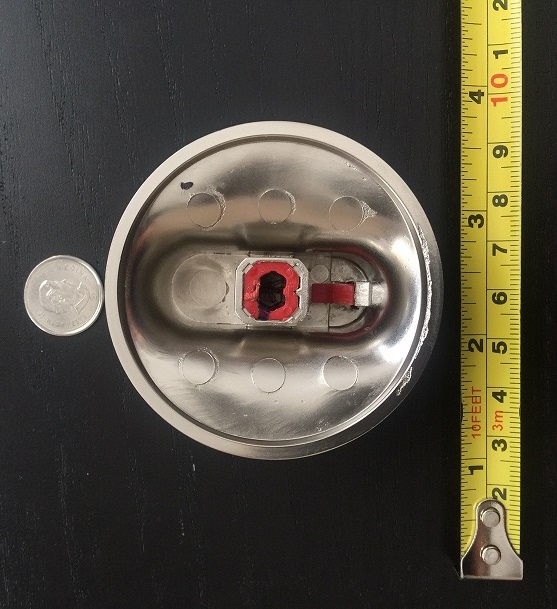
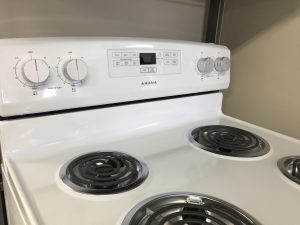
Smarturns is a stove-safety solution designed to support safer independent cooking and caregiver awareness. It works with compatible gas and electric stoves and can provide local alerts and mobile notifications, depending on configuration.
The goal is not to take away independence. It is to support confidence and awareness when stove use becomes a concern.
Compatibility and limitations: Families should confirm compatibility before purchase or installation. Smarturns does not automatically shut off the stove and does not support remote stove shut-off, so it should be described as supporting stove-safety awareness rather than preventing all kitchen risks.
Privacy, Dignity, and Human Care Must Stay at the Centre
For families considering technology for dementia care, privacy and dignity are often just as important as safety.
Many people do not want cameras in the home. Many older adults also worry about losing independence or feeling as though every action is being watched. Connected care should be introduced with sensitivity, respect, and clear communication.
Helpful questions include:
- What concern are we trying to address?
- What information would actually help us provide better support?
- How can we involve our loved one in the decision as much as possible?
- Can the technology support independence rather than restrict it?
- Who will receive alerts, and how will they respond?
- How often should the care plan be reviewed?
Technology works best when it supports relationships. It should make care more thoughtful, not more intrusive. It should help families notice meaningful changes earlier, while preserving the older adult’s routines, preferences, and sense of self.
A More Proactive Way to Support Changing Needs
Dementia caregiving can be emotionally complex. Families often want to do the right thing, but they may not always have enough information to know what kind of support is needed next.
Connected care can help by providing timely insight into daily routines, activity, sleep, reminders, and safety-related concerns. With the right configuration, Vericare and connected Tochtech products can support a more complete picture of changing care needs at home or across care settings.
That picture does not replace love, trust, professional care, or human judgment. It supports them.
When families can see meaningful changes earlier, they may be better able to adjust routines, ask better questions, involve care providers, and support their loved one’s dignity and independence for longer.
For many caregivers, that is the real promise of aging technology: not more monitoring for its own sake, but better awareness, better conversations, and more confident support as needs change.
Learn More About Vericare
Learn more about how Vericare can support family caregivers and changing dementia care needs.
Sources and Further Reading
- World Health Organization: Dementia fact sheet
- Alzheimer Society of Canada: Dementia numbers in Canada
- Public Health Agency of Canada: A Dementia Strategy for Canada, 2025 annual report
Connected technology can support awareness and care decisions, but it does not replace healthcare professionals, clinical assessment, direct care, or emergency response.